AI automation is becoming one of the most effective ways for small and medium-sized enterprises (SMEs) to reduce operational costs. By applying AI automation and process automation across daily workflows, SMEs can eliminate inefficiencies, reduce manual labor, and operate with far greater accuracy and speed. As competition and expenses rise, businesses increasingly rely on workflow automation and smart decision-making systems to stay profitable without expanding headcount.
Below are the key ways AI automation directly reduces operational costs for SMEs.
Automating Routine and Repetitive Tasks

One of the fastest ways AI automation cuts costs is by handling repetitive workflows such as data entry, appointment scheduling, inventory updates, and customer ticket routing.
With process automation, SMEs reduce labor hours spent on low-value administrative tasks, allowing employees to focus on strategic activities such as sales, innovation, and relationship management.
AI systems also work 24/7, eliminating overtime expenses and reducing the need for temporary manpower during peak periods. This consistent productivity ensures routine tasks are completed faster and with fewer errors, cutting rework costs.
Enhancing Customer Service Efficiency
AI-powered chatbots and automated messaging tools drastically lower support costs. Instead of hiring additional support staff, SMEs can use ai and automation systems to:
-
Answer common questions instantly
-
Guide customers through troubleshooting
-
Route complex issues to human agents
This reduces inbound workload, shortens response times, and improves satisfaction without increasing payroll. Over time, chatbots become more accurate through ai in automation, further reducing service-related expenses.
Optimizing Supply Chain and Inventory Costs
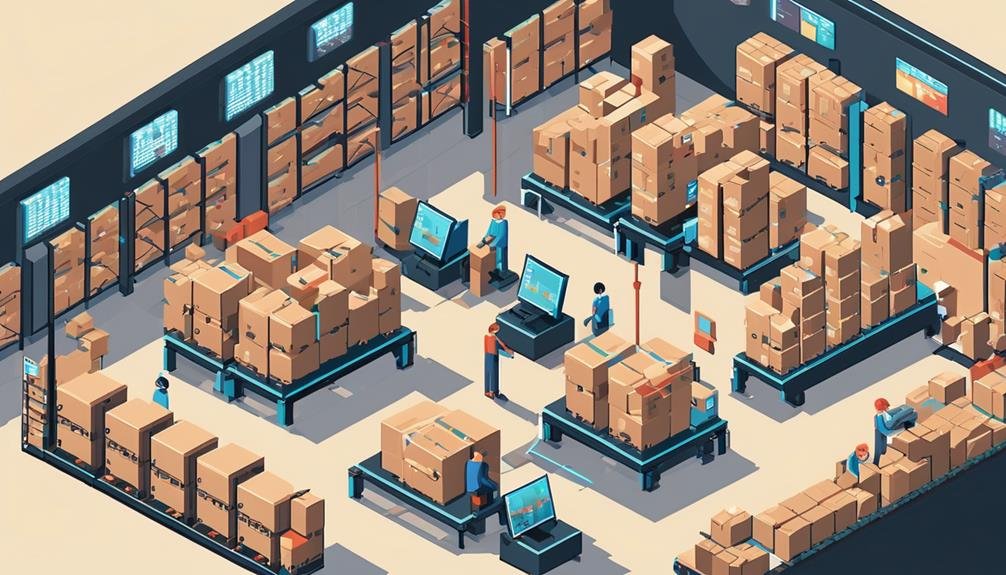
Inventory issues—overstocking, stockouts, and waste—are major cost drivers for SMEs. With AI workflow automation, businesses can:
-
Predict demand more accurately
-
Reduce excess stock and holding costs
-
Prevent out-of-stock losses
-
Automate purchase orders and vendor communication
AI’s real-time forecasting minimizes expensive mistakes while stabilizing cash flow. For SMEs with physical goods, this can translate to thousands in annual savings.
Reducing Errors and Operational Waste
Human errors—incorrect data entry, missed deadlines, duplicate records—often create hidden costs.
By using AI automation tools, SMEs reduce:
-
Manual mistakes
-
Rework time
-
Compliance failures
-
Operational bottlenecks
Automated workflows ensure consistency, accuracy, and adherence to standards, eliminating the financial impact of preventable errors.
Improving Data-Driven Decision-Making

Better decisions lead to lower costs. AI systems analyze large amounts of operational data to provide real-time recommendations.
Through ai workflow automation, SMEs gain insights into:
-
Operational inefficiencies
-
Demand fluctuations
-
Customer behavior patterns
-
Profitability trends
This allows owners to optimize spending, reallocate resources, and cut unnecessary expenses early—before they escalate.
Scaling Without Increasing Payroll
Traditionally, business growth means hiring more staff. With ai for automation, SMEs can scale processes—orders, inquiries, reporting—without expanding headcount at the same rate.
AI handles increasing workloads automatically, enabling SMEs to grow revenue while keeping operational expenses steady. This “scale without hiring” model is becoming a major competitive advantage.
Conclusion
AI automation reduces operational costs for SMEs by eliminating repetitive work, improving accuracy, optimizing inventory, and enabling leaner staffing models. With the help of ai automation, workflow automation, and intelligent data analysis, small businesses can operate more efficiently and allocate resources where they truly matter.
As technology advances, cost-saving opportunities from AI will only continue to expand—making automation an essential strategy for SMEs focused on long-term profitability and resilience.